Unlike most AI, this one shows exactly why it made its diagnosis
RetinaMind, a teen-built AI that screens for autism and ADHD from retinal scans, produces explainable heat maps showing which parts of the eye shaped its prediction.
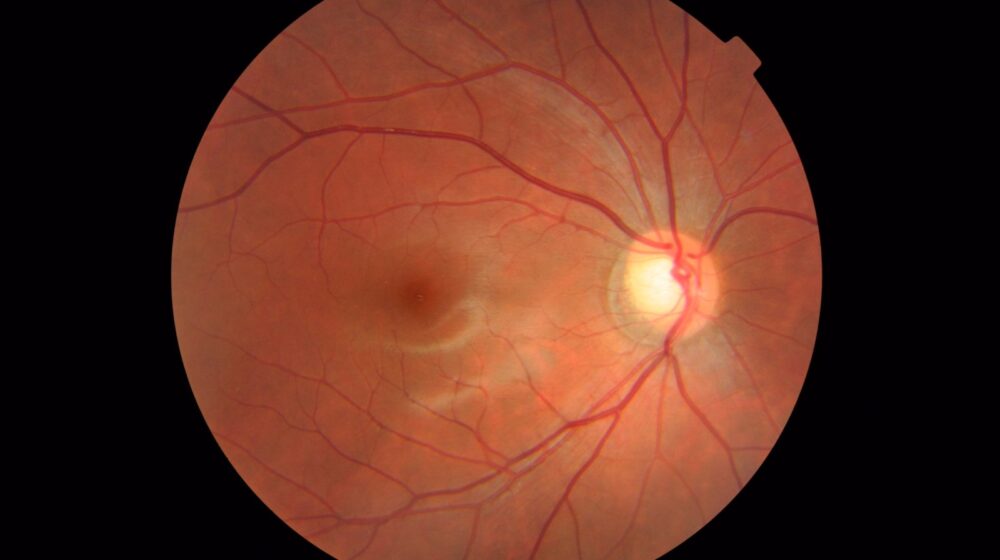
Many AI models operate as ‘black boxes,’ offering predictions without explaining how they reached them. RetinaMind, an AI tool built by 17-year-old Edward Kang to screen for autism spectrum disorder and ADHD, was designed differently: it produces explainable heat maps highlighting the exact areas of the retina that influenced its prediction.
Kang, a senior at Bergen County Academies in Hackensack, New Jersey, began working on the project in 2023 after reading research suggesting the retina could offer clues about neurological conditions, since the retina and brain develop from the same embryonic tissue. He trained RetinaMind using publicly available retinal image datasets, analysing photographs of the back of the eye for microscopic patterns linked to autism, ADHD and neurotypical individuals.
Alongside the AI, Kang created retinal cell models to investigate the biological reasons behind these differences, identifying several genes, including ABCA4, that may warrant further study. The project earned him second place and a $175,000 prize at the 2026 Regeneron Science Talent Search.
In initial testing, RetinaMind achieved 89% diagnostic accuracy, though that figure comes from public research datasets rather than real-world hospital settings, and experts say large-scale clinical trials are still needed before it could be considered for routine medical use.
Image: Wikimedia Commons/by OptometrusPrime

Leave a Reply