Bengaluru’s traffic is now a public health crisis, doctors warn: migraines, hearing loss, stress on the rise
Doctors in Bengaluru say daily traffic exposure is contributing to a rise in migraines, hearing disorders, stress, fatigue and respiratory illness among commuters.
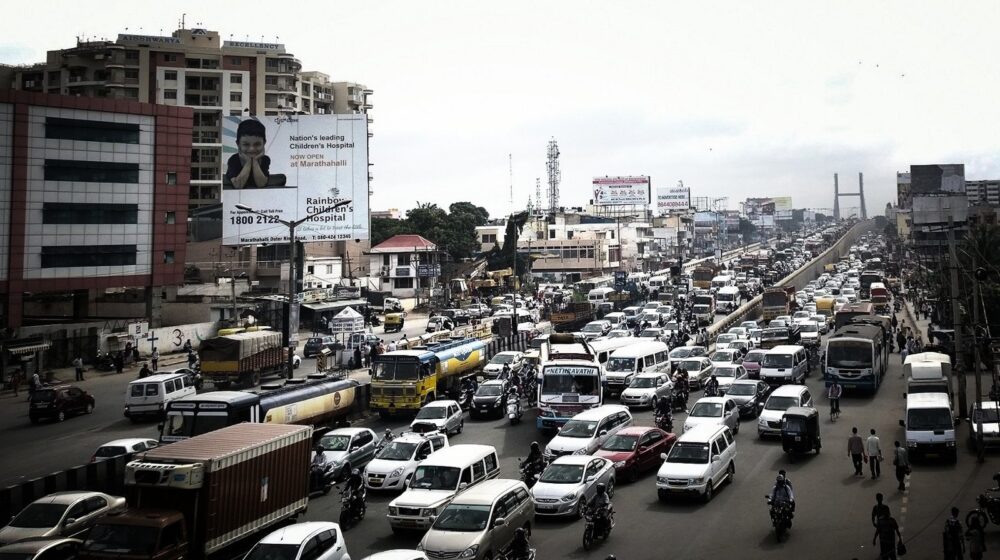
For millions of people living in Bengaluru, traffic is no longer just an inconvenience — it is becoming a daily health challenge. Hours spent commuting, prolonged exposure to noise and pollution, irregular meals, dehydration and disrupted sleep are becoming part of everyday life, and doctors across the city warn these changes are contributing to an increase in migraines, hearing disorders, stress, fatigue and respiratory illnesses.
According to medical experts, Bengaluru’s traffic exposes commuters to multiple health risks simultaneously. Long commutes lead to chronic stress and fatigue, while constant traffic noise affects hearing. Air pollution and vehicle emissions aggravate neurological and respiratory conditions, extended travel often results in irregular meals and dehydration, and long working hours combined with commuting contribute to poor sleep. These factors rarely occur in isolation, doctors say, and together create a cumulative burden on both physical and mental health.
Traffic congestion affects far more than travel time. Long daily commutes leave little opportunity for exercise, family time, hobbies, proper meals, adequate sleep or relaxation, and many commuters begin work already mentally exhausted after navigating congested roads. Health experts say these daily inconveniences gradually accumulate, increasing the risk of chronic health problems over time.
Migraine has become one of the city’s most common neurological concerns, affecting an estimated 12-15% of adults worldwide, while estimates suggest 14-25% of adults in Karnataka experience migraines. Neurologists explain that traffic itself does not directly cause migraine, but combines many known triggers, including chronic stress, irregular meals, dehydration, sleep deprivation and traffic noise, into a single day for people already genetically prone to attacks.
Beyond migraines, doctors say commuters are routinely exposed to sound levels of 70 to 100 decibels during peak traffic hours, a level of exposure that can gradually damage hearing, alongside vehicle exhaust and fine particulate matter that worsen asthma, allergies and other respiratory conditions.
Health experts argue that Bengaluru’s traffic problem can no longer be viewed only through the lens of road infrastructure and travel times. Strengthening public transport, enforcing noise regulations, reducing pollution and encouraging healthier commuting habits, they say, are essential for protecting residents’ long-term health as much as for smoother travel.



Leave a Reply