Investigators blamed the captain for the disaster that killed 136 people
After the SS Valencia sank off Vancouver Island in 1906, investigators found that captain Francis J. Gaudin failed to respond appropriately to warning signs during the voyage.
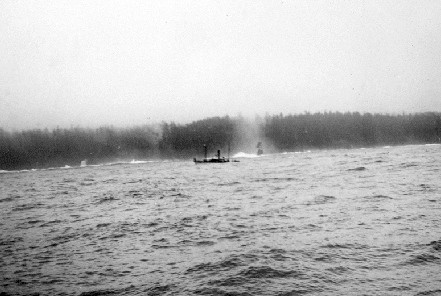
In the aftermath of the SS Valencia’s sinking off Vancouver Island in January 1906, investigators examined the circumstances that led to the wreck, focusing heavily on decisions made during the voyage.
Later accounts argued that the ship’s captain, Francis J. Gaudin, failed to respond appropriately to warning signs as the vessel was pushed off course by thick fog and strong winds. Questions were raised about the use of navigation information, communication with passengers and crew, and the ship’s readiness for an emergency. Instead of reaching the Strait of Juan de Fuca, the Valencia struck rocks near Pachena Point on the exposed western coastline of Vancouver Island.
The tragedy also exposed wider problems within maritime safety systems at the time. A ship could be travelling through one of the world’s most dangerous coastal regions, an area later nicknamed the ‘Graveyard of the Pacific’, without access to the kind of rescue network that existed in more developed areas. There were no lifesaving stations nearby, and rescue units had to cover significant distances to reach the scene.
According to the Government of Canada, 136 passengers died in the disaster and only 37 survived. In its wake, governments on both sides of the border strengthened coastal safety, installing lighthouses, lifeboat stations and emergency supply points, and developing the Dominion Lifesaving Trail to help rescuers reach shipwrecked passengers more easily.
Image: Wikimedia Commons




Leave a Reply