Kolkata clears its final safety hurdle for a driverless Metro under the Hooghly
The Commissioner of Railway Safety has approved driverless automatic train operation on Kolkata's East-West Metro, including its river-tunnel stretch under the Hooghly.
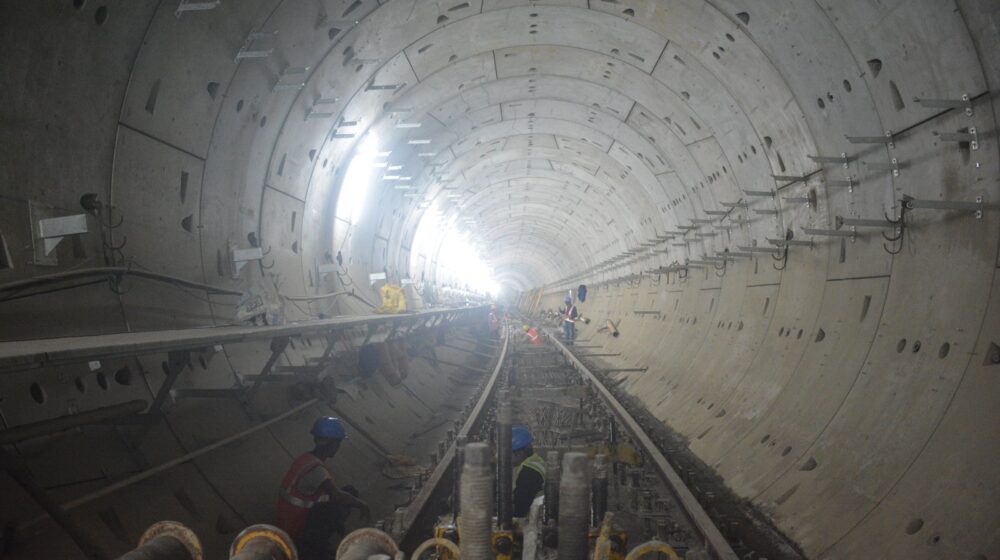
The Commissioner of Railway Safety (CRS) for the Northeast Frontier circle has given Metro Railway the green light to commission driverless automatic train operation (ATO) on Kolkata’s East-West Metro, popularly called the Green Line, clearing the way for trains to run without manual control along the entire 16.6-km corridor, including two 520-metre tunnels that pass under the Hooghly river.
The approval follows a successful driverless test on the Sector V-Howrah Maidan corridor conducted on Sunday under the supervision of CRS official Sumeet Singhal. Motormen remained present in the driving cabin throughout the trial to oversee the run, even though the movement itself was managed remotely. A day later, on Monday, approval for communication-based train control (CBTC) came through for both the Howrah-bound and Salt Lake-bound lines.
East-West Metro has actually been running on CBTC signalling technology since February 2020, but the system has now been upgraded to a far more automated stage. In its five-page observation report, the CRS noted that Metro Railway should standardise its rakes, all of which are manufactured by BEML, to ensure uniform operation and support revenue generation once driverless services begin.
Once the new mode is active, a driver will still remain on board each train, largely to reassure passengers, but the actual movement will be directed from the Operations Control Centre at the maintenance depot in Salt Lake’s Central Park. Officials said they are aiming to introduce ATO by 15 August, though no firm date has been finalised yet.
Kolkata Metro Rail Corporation (KMRC), which is implementing the Rs 10,000-crore East-West Metro project, describes it as India’s first under-river transportation system. Of the 17 BEML-built rakes currently available, 12 have already been inducted into revenue operations, and the driverless clearance is expected to let the network add more services and increase frequencies across the line.
KMRC has spent the past year running driverless trials using rakes numbered 606 and 603. With the automatic train protection (ATP) test now passed, the corporation may induct four additional rakes. Starting Monday, 14 more rakes will begin operating in driverless ATO mode once each day’s commercial services wrap up, as part of the process of upgrading the wider fleet.
[Wikimedia Commons/by ArnabSaha]

Leave a Reply