Why Wedding Rings Go on the Fourth Finger: An Ancient ‘Vein of Love’ Myth
The tradition of wearing a wedding ring on the fourth finger traces back to an ancient Egyptian and Roman belief in a vein connecting it directly to the heart.
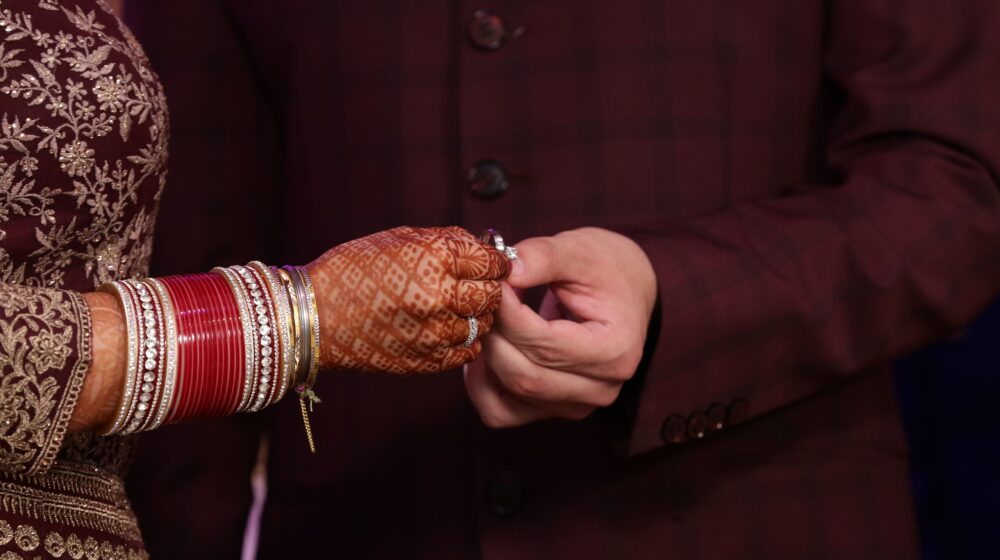
The wedding ring is one of the most recognisable symbols in many cultures, and it is often worn on the fourth finger of the left hand. The custom feels so natural today that it can seem like it has always been this way, but it carries a long and layered history shaped by ancient beliefs, practical habits and cultural meaning.
One of the most popular explanations comes from ancient Egypt and later Roman thought. People once believed the fourth finger of the left hand contained a vein that ran directly to the heart, called the vena amoris, or ‘vein of love.’ The idea connected the ring to emotion in a very direct way — if a wedding band sat on the finger thought to lead to the heart, the symbol of marriage was placed exactly where love supposedly lived. Modern science has shown this vein does not exist in the way people once believed, but the symbolism endured.
The fourth finger was not a random pick for practical reasons either. In many cultures, it was seen as the most graceful and least used finger for daily tasks, making it a sensible place for a ring meant to be worn constantly. The thumb and index finger are used more often, the middle finger is larger and more central, and the little finger is smaller and less secure for a traditional band — leaving the fourth finger with a comfortable balance of visibility and function.
Different cultures have their own reasons for the placement. In many Western countries, the left hand became the standard for wedding bands, and in some Christian traditions the ring represents eternal love and commitment, with its circular shape symbolising something unending. Elsewhere, wedding rings are worn on the right hand instead — the meaning of the ring matters more than which hand or finger carries it.
The tradition has lasted because it is both useful and emotionally powerful. Since a wedding ring is worn constantly, its meaning gets reinforced again and again, turning the finger itself into a daily reminder of the promise it carries. Even as couples today choose plain bands, diamond rings or no rings at all, the fourth finger still represents commitment, continuity and connection.




Leave a Reply