Patna’s Golghar was built to feed a famine-stricken India, then a design flaw doomed it
Golghar, the granary built in Patna after the Bengal famine of 1770, was undone by a design flaw that meant it could never be filled to capacity.
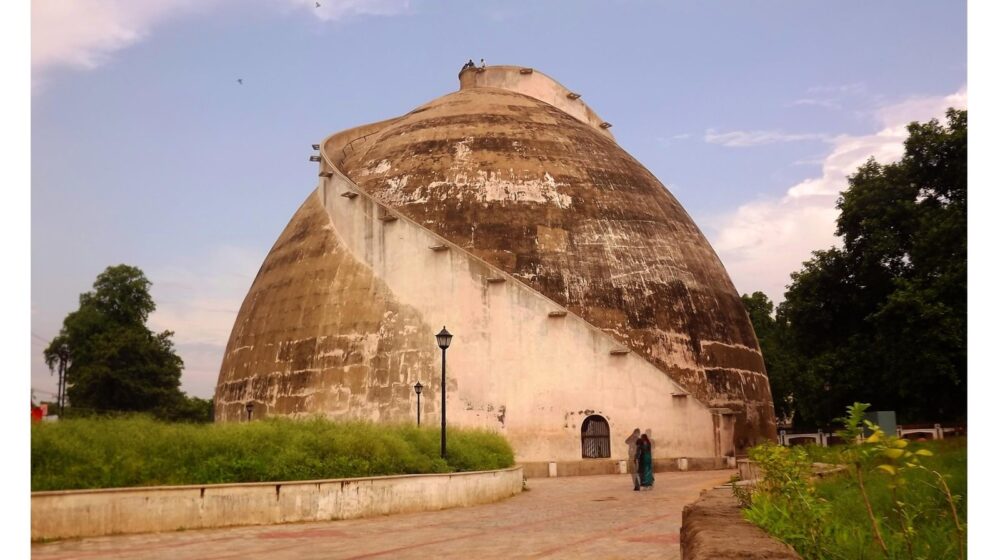
Patna’s iconic Golghar is one of the city’s most recognisable landmarks, an architectural marvel that has fascinated visitors for more than two centuries. Behind its imposing beehive-shaped silhouette, however, lies an extraordinary irony: the massive granary was never filled to its intended capacity because of a critical design flaw.
Golghar was built in 1786 by Captain John Garstin, an architect and engineer of the East India Company, on the orders of the then governor general of India, Warren Hastings. The structure was conceived in the aftermath of the devastating Bengal famine of 1770, one of the deadliest famines of the colonial era, in which historians estimate nearly one crore people died.
The crisis exposed the vulnerability of British-controlled territories to food shortages. When another, less severe famine struck Bihar in 1783, John Shore, then president of the Committee of Revenue, was asked to recommend measures to prevent a repeat of the catastrophe. Among his proposals was the construction of a massive grain store in Patna, approved in January 1784.
But the ambitious project was undone by a basic engineering oversight: all four doors of the granary were designed to open inwards. ‘If the granary had ever been filled to capacity, the enormous pressure of the grain would have made it impossible to open the doors,’ said Indologist Prabuddh Biswas. The flaw meant the structure could never function as a fully operational famine reserve.
Image: Wikimedia Commons/by Kumartheharshit




Leave a Reply