A single banyan tree in Andhra Pradesh covers 5 acres, and it’s still growing
Thimmamma Marrimanu, a banyan tree in Andhra Pradesh, occupies nearly 5 acres of land and is considered one of the largest specimens of its kind in the world.
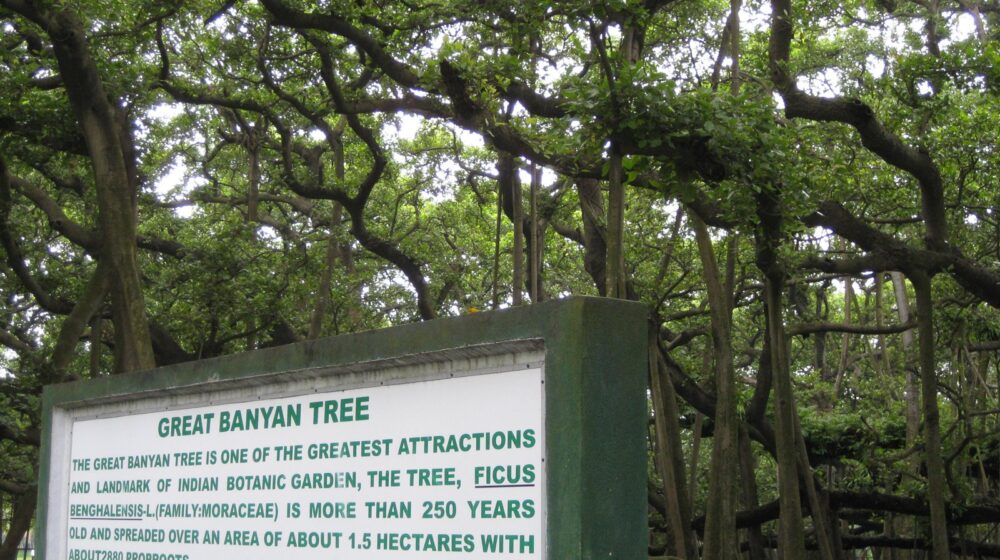
Thimmamma Marrimanu, a banyan tree in Andhra Pradesh, occupies nearly 5 acres of land and is considered one of the largest specimens of its kind in the world. Another giant, the Great Banyan at the Acharya Jagadish Chandra Bose Indian Botanic Garden near Calcutta, had its diseased main trunk removed in the 20th century but survives through thousands of aerial roots covering more than 4 acres.
Both trees owe their scale to the same biological trait. Unlike other trees that grow from a single trunk, banyan trees form aerial roots on their branches that descend to the ground and thicken into woody secondary trunks over time. A single banyan can produce hundreds of these secondary trunks, effectively becoming one organism spread across several acres, and if the primary trunk is destroyed or dies, the tree survives through the rest.
Some banyan trees alive today are estimated to be 400 to 500 years old, though accurately ageing them is difficult since the trunk keeps regenerating. The tree also holds deep cultural significance in India, viewed as a symbol of eternity, wisdom and longevity in Hinduism and associated with Lord Shiva and Vishnu.
A fully grown banyan also functions as a complete ecosystem, with its wide canopy sheltering birds, bats, squirrels, monkeys, reptiles and insects, and its figs feeding wildlife year-round, especially when other fruit is scarce.
Image: Wikimedia Commons/by McKay Savage


Leave a Reply