Neanderthal DNA in humans is lopsided, and scientists now think they know why
A new genetic study finds that Neanderthal fathers paired with early human mothers far more often than the reverse, explaining an old puzzle in the human genome.
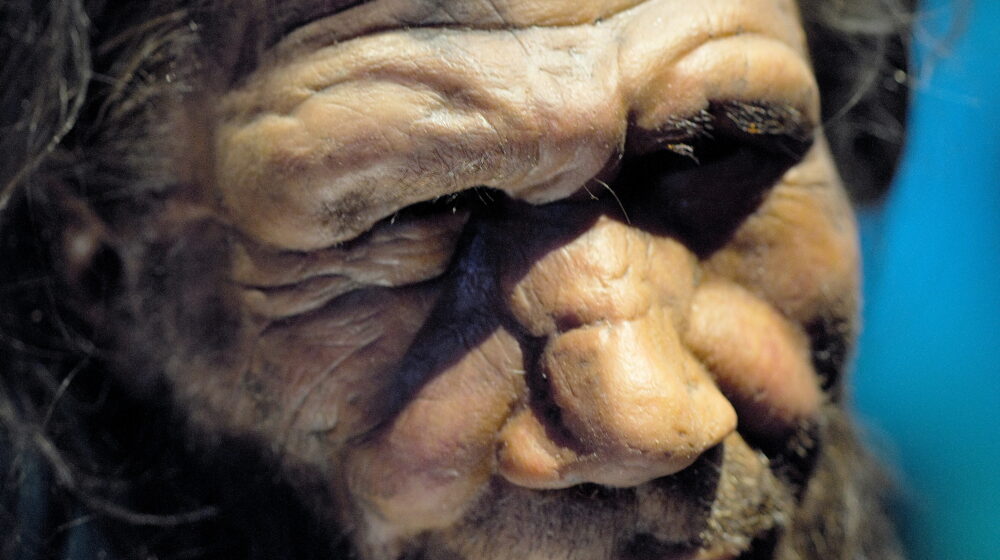
For decades, scientists have known that most people of non-African ancestry carry a small amount of Neanderthal DNA, evidence that modern humans and Neanderthals interbred after leaving Africa roughly 50,000 years ago. What has remained far more puzzling is how that DNA is distributed across the human genome, and a new study suggests the answer may lie in which parent was Neanderthal.
Researchers found that surviving genetic signatures point to many more successful lineages descending from Neanderthal fathers and Homo sapiens mothers than from the opposite pairing. Even so, the researchers stress that the finding should not be mistaken for proof of prehistoric romance or attraction. Instead, it reflects patterns preserved by thousands of generations of inheritance, biology and evolution.
The analysis, published in the journal Science, focused on a longstanding mystery: Neanderthal DNA is common across the non-sex chromosomes of modern humans but strikingly scarce on the X chromosome. Tracing the movement of ancient DNA in both directions, scientists found a mirror-image pattern: while modern humans retain relatively little Neanderthal DNA on the X chromosome, Neanderthal genomes contain a 62% relative excess of modern human ancestry on their own X chromosomes.
Using analytical and computer models, the researchers concluded that the simplest explanation was a strong sex bias in interbreeding, with unions involving male Neanderthals and female modern humans occurring more often than the reverse. The authors note this is a statistical interpretation rather than direct evidence of mating preferences, and they cannot rule out more complex scenarios involving migration patterns or natural selection acting together.
Independent archaeological evidence adds further nuance. A study of Neanderthal remains from El Sidrón Cave in northern Spain found that adult males shared closely related maternal lineages while females carried more diverse mitochondrial DNA, interpreted as evidence of female dispersal between groups. Scientists say such residence patterns could help explain how genes spread across generations without requiring any assumptions about attraction or mate choice.


Leave a Reply