How industry reforms hollowed out a New Zealand forestry village, and what could bring it back
Kaingaroa's population has shrunk to about 400 residents after decades of forestry industry restructuring, but a new wood-processing hub could reverse the decline.
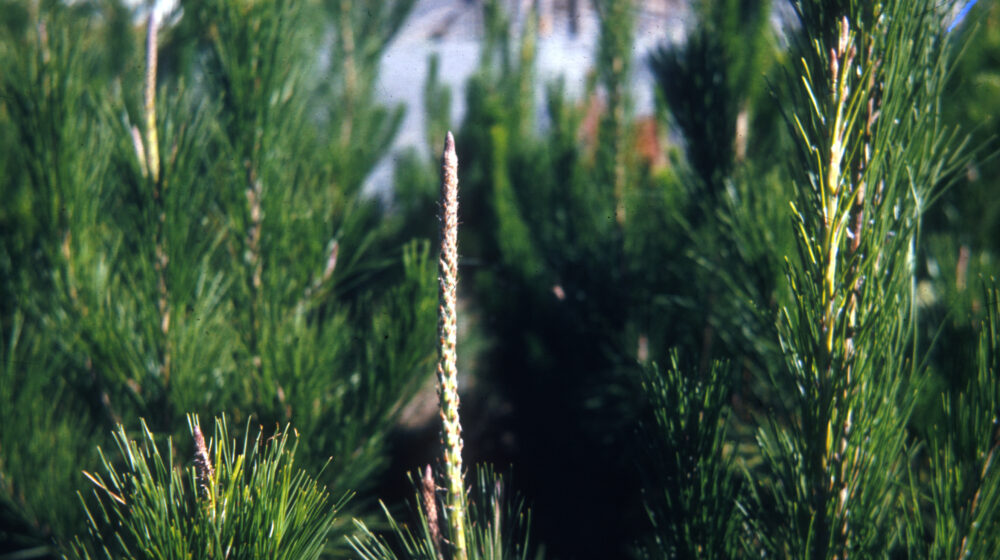
Kaingaroa now has about 400 residents, far fewer than its peak decades ago, after state forestry restructuring and privatisation significantly reduced employment in the village and nearby Murupara. The village was created by forestry and sits near Kaingaroa Forest, one of the largest plantation forests in the Southern Hemisphere, covering hundreds of thousands of hectares in New Zealand’s central North Island.
A proposed integrated wood-processing hub, led by the company NZ Bio Forestry, could reverse that decline by combining wood processing, energy production and biorefining in one place — maximising the value of timber rather than simply exporting raw logs. NZ Bio Forestry has entered into a heads of agreement with Ngāti Manawa iwi to develop the project, with the joint venture focused on employment, training and economic opportunities.
Ngāti Manawa says the decline in forestry jobs has affected generations of local families, and future investment could help them remain in their communities. A successful manufacturing centre would create jobs in manufacturing, engineering, forestry technology and renewable energy.
The initiative aligns with New Zealand’s broader forestry policy direction, with government papers calling for a shift toward higher-value wood products. Supporters say the biggest barrier remains funding, since biorefineries and advanced manufacturing plants require substantial upfront investment before becoming profitable.



Leave a Reply