Grizzly, mountain lion or moose: what to do when a wild animal turns on you
Wildlife safety experts explain exactly how hikers should react when a bear, mountain lion or moose becomes aggressive on a national park visit.
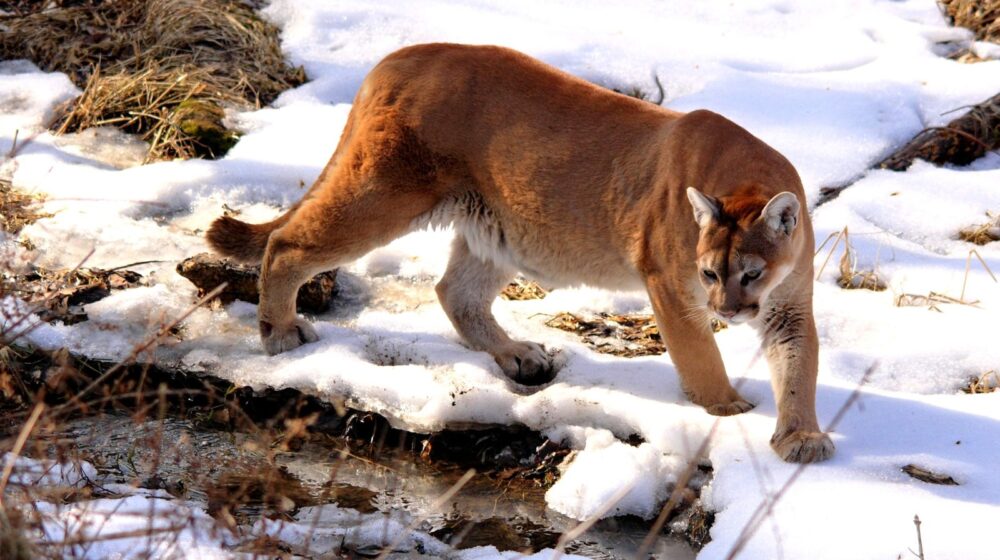
Spotting a grizzly bear or a mountain lion in the wild is one of the biggest highlights of any outdoor adventure, but wildlife safety experts are reminding visitors to North America’s national parks that these animals remain unpredictable and can turn dangerous if they feel threatened. The good news, according to safety guidance, is that the risk of an actual attack is very low, a person is statistically more likely to be injured in a car accident involving a deer than by a mountain lion, and being prepared is by far the best defence.
Preparation begins long before anyone sets foot on a trail. Travelling in groups significantly cuts the risk of an encounter, since most wild animals avoid large gatherings of people, and anyone hiking with children is advised to keep them close and within sight at all times. Staying alert matters just as much: putting away phones and earbuds means a hiker can hear an animal approaching or spot signs of its presence before it is too late.
A bear encounter demands a careful read of the animal’s behaviour. A ‘defensive’ bear, usually one that has been approached too closely or is guarding food or cubs, may moan, ‘woof’ or swat the ground as a warning. The correct response is to stay calm, speak in a soft voice and back away slowly, never running, since running can trigger a chase instinct. If the bear attacks, hikers are told to stand their ground and use bear spray, and only if physical contact is made should they play dead, dropping to the ground, lying flat on the stomach and interlacing fingers behind the neck to protect the head until the bear leaves.
A ‘predatory’ bear behaves very differently. It shows calm interest, following or approaching without noise or visible stress, and in that situation playing dead is the wrong move. Instead, experts say to stand ground, raise arms, open a jacket and climb onto a rock or log to look as large as possible, shouting loudly, and to fight back with rocks, sticks or bare hands if it attacks.
Mountain lions naturally avoid humans, but the golden rule if one is encountered is simple: never crouch. Biologists believe standing humans are less likely to be seen as prey, while someone crouching or bending over resembles a four-legged animal such as a deer, so even picking up a child should be done while staying upright. If a lion advances, hikers should wave their arms slowly, speak firmly and, without turning their back, throw stones or branches near the animal to show they can defend themselves.
Large herbivores like moose, bison and elk can be just as dangerous as predators, particularly moose protecting calves, and the advice is to give them plenty of room, turning back rather than trying to walk past one. Wildlife authorities stress that most encounters end peacefully because the animal chooses to avoid people, and any serious encounter or attack should be reported immediately to park rangers so they can assess public safety and manage local animal populations.
Wikimedia Commons/by NaturesFan1226



Leave a Reply