8 years hidden in an Arizona forest: the mystery no court record explains
A 65-year-old Arizona man has pleaded guilty to unlawfully living in the Tonto National Forest for about eight years, after officers found an estimated 1,000 pounds of trash at his campsite.
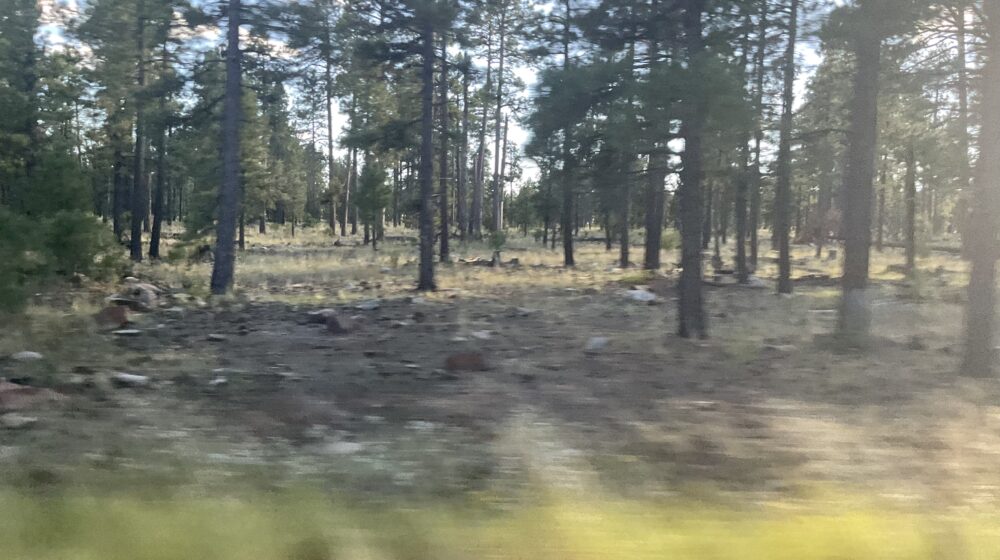
For nearly a decade, U.S. Forest Service officers in Arizona’s Tonto National Forest kept returning to the same remote stretch of public land, issuing warnings, citations and clean-up orders to a man who simply would not leave. What they never learned, even after his case reached a federal courtroom, was why he chose to live there in the first place.
According to court records, 65-year-old Mark Aaron Gatz pleaded guilty to unlawfully residing in the Tonto National Forest for about eight years. He told officers he had spent his final two years at the specific campsite where he was eventually arrested, though he had lived across the wider Payson Pine area of the forest for much longer before that.
Public court documents do not describe what led Gatz to stay in the forest for so long, and they do not say whether homelessness, personal choice or some other circumstance was behind it. Instead, the record that survives focuses almost entirely on the consequences of his stay.
Those consequences were extensive. Forest Service officers, responding to repeated complaints from visitors, documented discarded clothing, tools, old tires, plastic bags, aluminum cans and containers of used motor oil scattered across roughly half an acre of public land, along with makeshift structures Gatz had built there. In total, officers estimated the site held about 1,000 pounds of trash.
Officers said Gatz had also violated federal fire restrictions on multiple occasions, including during a visit on June 25 when they found an active wood-burning fire despite Stage 2 restrictions being in place. Gatz later told officers he knew the restrictions applied but needed the fire to cook food. By that point, he also had six outstanding federal warrants tied to earlier violations.
Federal rules generally cap camping in national forests at 14 days within any 30-day period, a limit meant to protect the land and keep it available to other visitors. Authorities had considered seeking thousands of dollars in restitution for environmental damage, but the final agreement resolved the case without requiring those payments; Gatz was sentenced to time served followed by three years of probation.
Wikimedia Commons/by Toastdebunny



Leave a Reply