India’s phone sales just hit a 3-year low: here’s what’s behind it
India's smartphone shipments dropped 10% year-on-year in the June 2026 quarter, the sharpest decline in three years, according to Counterpoint Research.
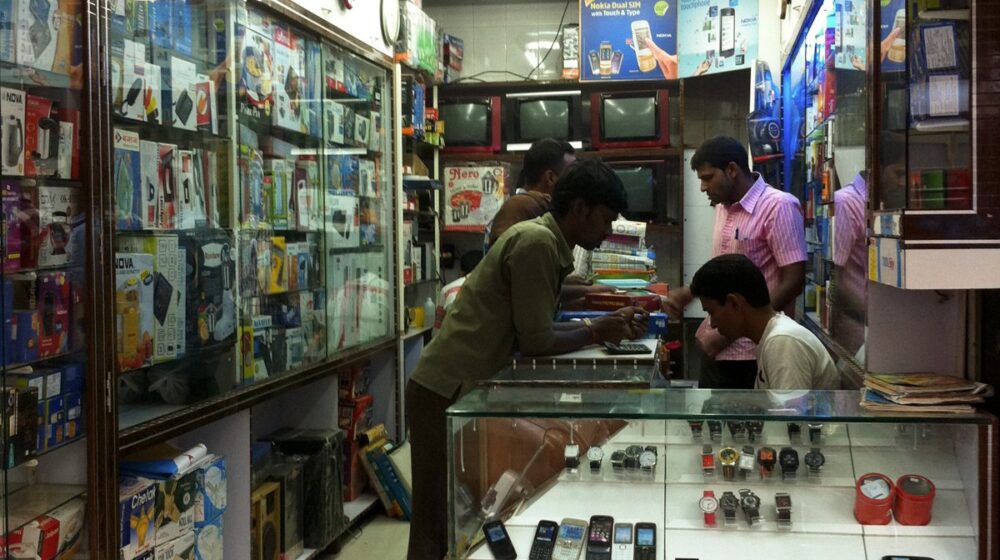
India’s smartphone shipments declined 10% year-on-year in the June quarter, marking the sharpest quarterly fall in three years, since the January-March period of 2023, research firm Counterpoint Research reported.
The impact was most severe at the entry level. Sales of smartphones priced below Rs 15,000 plunged 45% from a year earlier, the steepest drop across any price band. That slowdown hit Chinese smartphone brands hardest, since they depend heavily on entry- and mid-range devices, and their combined market share fell to its lowest level for an April-June quarter since 2020.
Vivo retained the top position with a 17.8% share despite a double-digit decline in its own sales. Oppo held on to third place with 13.6%, while Xiaomi, including its Poco brand, slipped to fourth with a combined 13.4% share. Realme finished fifth at 10%. Counterpoint said Xiaomi, Poco and Realme all recorded sales declines as repeated price increases across their affordable portfolios weakened demand, while Oppo relied on stronger sales of devices priced above Rs 20,000 to cushion the slowdown.
Counterpoint senior analyst Prachir Singh said that because most Chinese brands are heavily exposed to the entry- and mid-tier segments, their overall market share fell to its lowest level for a second calendar quarter running since 2020. The research firm attributed the broader slowdown to record-high memory prices, which have forced manufacturers to raise smartphone prices multiple times this year — average prices rose about 15% by the end of the June quarter.
Smartphone memory prices have risen nearly four-fold since September 2025, sharply increasing manufacturing costs that brands have had to pass on to consumers. Several brands have responded by expanding their 4G portfolios in the affordable segment, betting that value-conscious buyers will prioritise lower prices over 5G connectivity until component costs ease.
The weakness at the lower end contrasted with resilience at the top. Smartphones priced above Rs 45,000 stayed relatively stable, helped by financing schemes including NBFC and credit-card EMI options that reduced the upfront cost of expensive devices; financing accounted for more than half of mainline smartphone sales during the quarter. Samsung was the only top-five brand to register shipment growth, rising 2% year-on-year to a 17.6% share, while Apple’s shipments declined 3% as strong iPhone 17 demand was offset by supply constraints and inventory shortages.
Image credit: Wikimedia Commons/by Victorgrigas




Leave a Reply