India’s textile industry eyes a bigger slice of the UK market as new trade deal kicks in
India's textile industry is looking to grow its share of the UK's apparel import market after a new free trade deal eliminated tariffs of up to 12% this week.
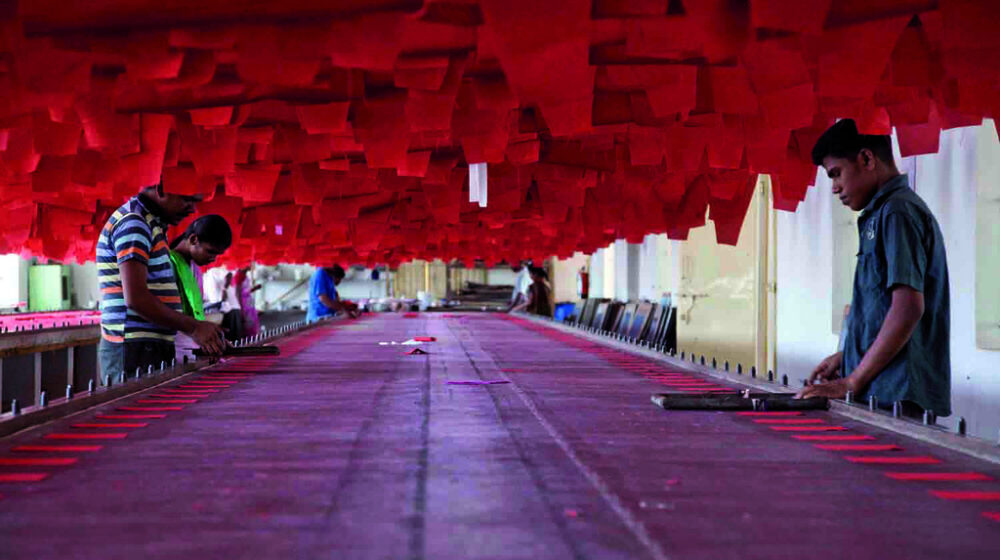
A free trade agreement between India and the United Kingdom took effect on Wednesday, removing tariffs of up to 12% on Indian textile exports and putting the industry on a more even footing with established UK suppliers Bangladesh and Vietnam.
Industry body representatives describe the mood as upbeat. Prabhu Dhamodharan, convener of the Indian Texpreneurs Federation, said companies of all sizes are already negotiating fresh orders, helped by long-running relationships with UK retail names including Primark, Next, Tesco and M&S. He said buyers are also showing renewed interest as they look to diversify away from concentrated supply sources.
India currently holds around 6% of the UK’s apparel import market. Dhamodharan expects that figure to roughly double over the next four to five years as exporters take advantage of the new tariff structure, with medium and small firms already weighing investments in automation and capacity expansion once order books firm up.
The optimism is tempered by on-the-ground cost realities. One medium-scale exporter, who spoke on condition of anonymity, said the price disadvantage against competing countries can be as much as 20-30%, driven by higher man-made fibre and cotton fabric costs, and called on the government to support the domestic MMF ecosystem.
Industry experts also point to deeper structural issues: fragmented supply chains, longer lead times and a shortage of manufacturing scale that tariff relief alone will not solve, alongside relatively low labour productivity compared with regional rivals.
Not everyone expects a smooth payoff. Hitesh Jain, a strategist at Yes Securities, said the textile sector is less equipped than industries like automobiles or pharmaceuticals to convert preferential trade access into lasting export growth, pointing to competitiveness gaps and the fact that countries like Vietnam already gained ground under the broader ‘China plus one’ shift in global manufacturing.
Wikimedia Commons/by Fabrics for Freedom




Leave a Reply