Nearly half of heart attacks have no warning signs, says cardiac surgeon Dr Devi Shetty
Cardiac surgeon Dr Devi Shetty says nearly 50% of patients with coronary artery blockage have no symptoms, and half develop heart attacks without prior chest pain.
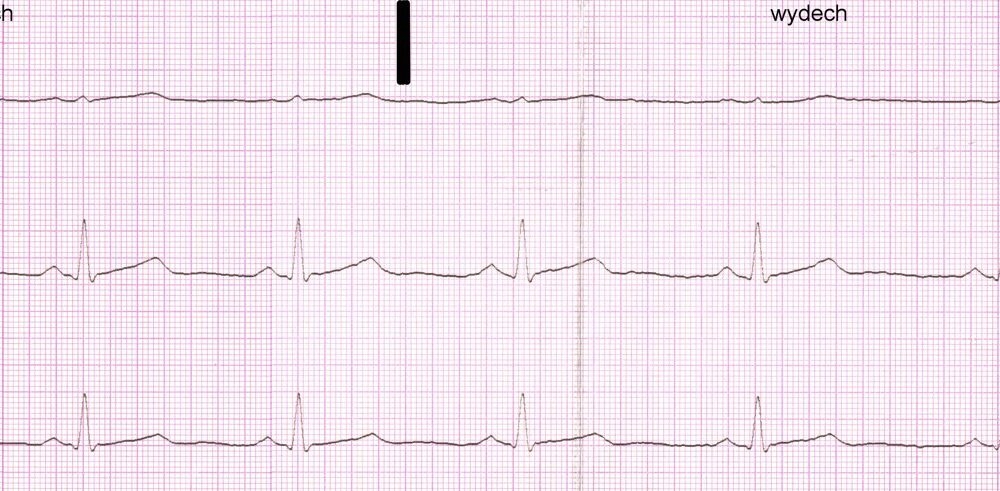
A young man finishes a workout and suddenly collapses. A marathon runner falls just before the finish line. Someone in their early 30s complains of slight discomfort and never makes it to the hospital. These incidents have become disturbingly familiar in India, leaving many people asking the same question: why are seemingly healthy young people dying of heart attacks?
According to renowned cardiac surgeon Dr Devi Shetty, the answer is more complicated than simply blaming modern lifestyles. Speaking in an interview with ANI, he said many heart attacks are not actually ‘sudden’ — they are simply silent. ‘Nearly 50 percent of the patients with blockage in the coronary arteries have no symptoms. Nearly 50 percent develop a heart attack without any previous chest pain, especially diabetics,’ he said.
Dr Shetty explained that people with severe blockage in their heart arteries may feel completely normal. ‘How fit people feel has nothing to do with how fit they actually are. You can have a very serious heart problem and still not know it,’ he said. Coronary artery disease develops slowly over years, as fatty deposits gradually narrow the arteries supplying blood to the heart, often without obvious symptoms until the blockage becomes severe or suddenly ruptures.
Dr Shetty argued that many sudden cardiac deaths could potentially be avoided if underlying heart disease were detected before symptoms appeared. He said a basic evaluation may include blood tests, an electrocardiogram, an echocardiogram, and a cardiac CT scan when recommended by a doctor, adding that people often avoid doctors until symptoms develop, which may be too late.
Citing recommendations from the Cardiological Society of India, Dr Shetty said every Indian should know their cholesterol level from around the late teenage years, men between 35 and 40 should undergo routine heart evaluation, anyone with a family history of heart disease should begin screening around age 30, and people with longstanding diabetes should be evaluated even earlier based on medical advice. ‘Everyone should know their numbers, blood pressure, cholesterol and heart health,’ he said.



Leave a Reply