Why this Japan Airlines CEO tore down his own office walls during a company crisis
Facing a global financial crisis in 2009, Japan Airlines CEO Haruka Nishimatsu removed the walls around his office so employees could reach him without going through layers of management.
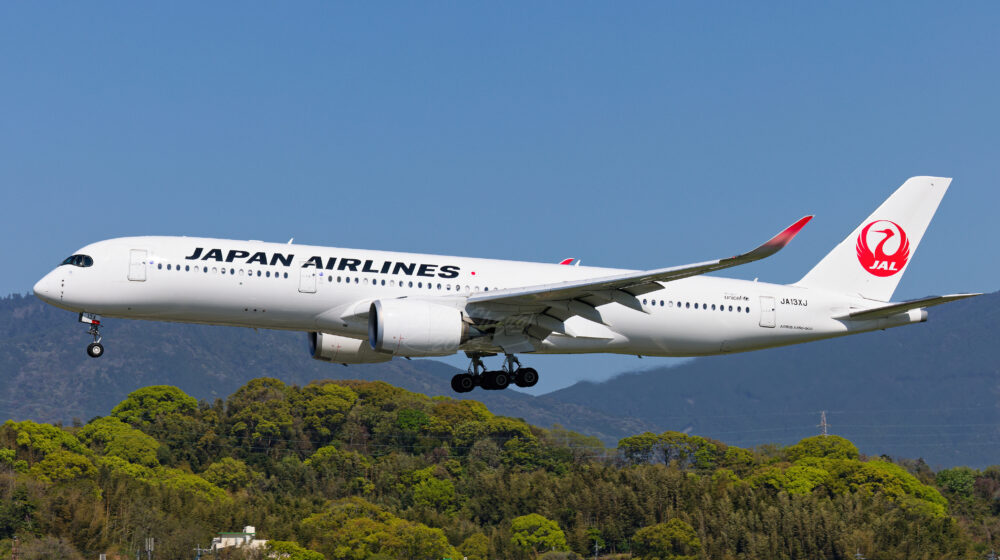
When Japan Airlines faced a severe financial crisis in 2009, most executives might have retreated further into their offices. CEO Haruka Nishimatsu did the opposite — he had the walls around his office removed entirely, so employees from across the company could walk in and raise concerns without navigating layers of management.
The move came as JAL, then one of the most successful airlines in the world, was incurring billions of yen in losses due to the global recession’s impact on air travel demand. As the company implemented salary cuts affecting employees across the organisation, Nishimatsu decided leadership needed to share that burden directly rather than remain insulated from it.
Speaking to CBS News at the time, Nishimatsu explained his reasoning: when management is distant, “up in the clouds,” employees simply wait for orders instead of thinking and speaking up for themselves. He wanted staff to feel comfortable raising issues directly, without a wall — literal or otherwise — standing in the way.
The open-office decision was just one part of a broader shift. Nishimatsu cut his own annual salary to about $90,000, commuted to work using Tokyo’s public bus network rather than a chauffeured car, bought affordable business suits instead of luxury brands, and regularly ate lunch with employees in the staff cafeteria rather than in executive dining spaces.
Nishimatsu’s approach reflected a broader philosophy centred on accountability: when customers had a poor experience, he argued, the responsibility ultimately rested with management, not frontline employees alone. His leadership style drew comparisons to other executives, including Southwest Airlines CEO Gary Kelly, who similarly believed organisations couldn’t succeed if leaders treated themselves differently from their employees. Though JAL later underwent bankruptcy protection and major restructuring before returning to profitability, Nishimatsu’s approach remains one of the most frequently cited examples of humble leadership in corporate history.



Leave a Reply