Why India just became the most important market for a new weekly insulin shot
With more than 101 million people living with diabetes, India is the launch market where Novo Nordisk's new once-weekly insulin, Awiqli, could matter most.
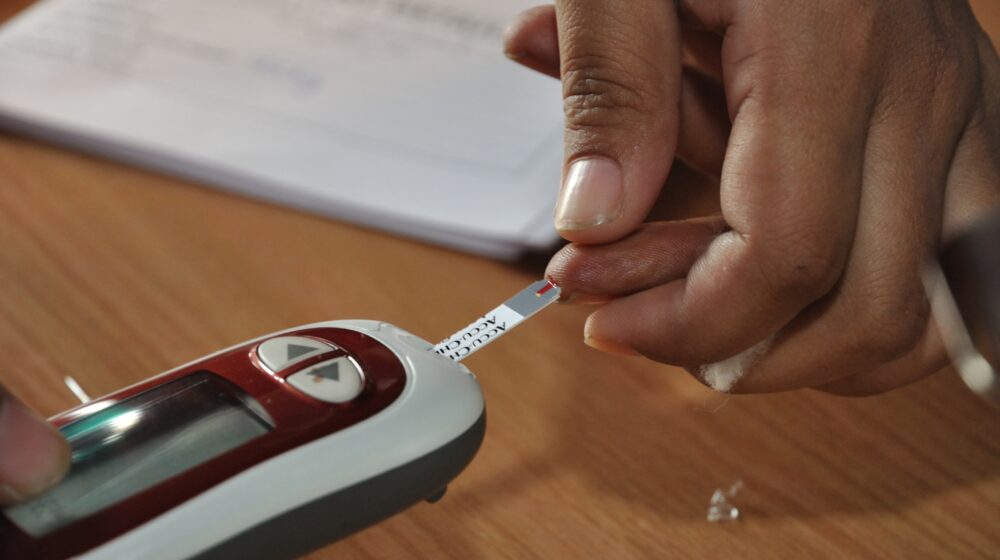
India isn’t just another market for Novo Nordisk’s newly launched insulin — it’s arguably the market where this launch matters most. More than 101 million people in India are living with diabetes, and another 136 million have prediabetes, according to the ICMR-INDIAB study cited by the company, putting a population roughly the size of a mid-sized country either managing the disease already or standing right at its edge.
The drug in question is Awiqli, known generically as insulin icodec, which Novo Nordisk launched in India on July 9 and is calling the world’s first once-weekly basal insulin approved for clinical use. Traditional basal insulin, the background insulin that keeps blood sugar steady between meals and overnight, is typically injected once every 24 hours; Awiqli is designed to work across a full week, cutting the injection count from 365 a year down to 52.
A lot of people who need insulin simply don’t start it, or don’t stick with it, because the idea of a daily injection feels overwhelming, doctors say. Vikrant Shrotriya, Managing Director of Novo Nordisk India, said the company believes Awiqli will reduce the psychological and physical barriers to insulin initiation, adding that for many patients, the fear isn’t really about the needle — it’s about facing that daily reminder.
The drug is backed by the global ONWARDS Phase 3 clinical programme, involving more than 4,000 adults worldwide including participants from India, which found the once-weekly insulin achieved a greater reduction in HbA1c and improved time in range compared with once-daily insulin glargine U100, with a comparable safety profile. Awiqli is priced at Rs 261 per week in India, and the country becomes the seventh market globally to receive the therapy after earlier approvals in the US and the European Union.




Leave a Reply