Ancient Indian texts mapped elephant emotions 2,000 years before modern psychology
Ancient Indian texts like Gajashastra and Hastyayurveda studied elephant emotions and mental distress centuries before modern animal psychology emerged.
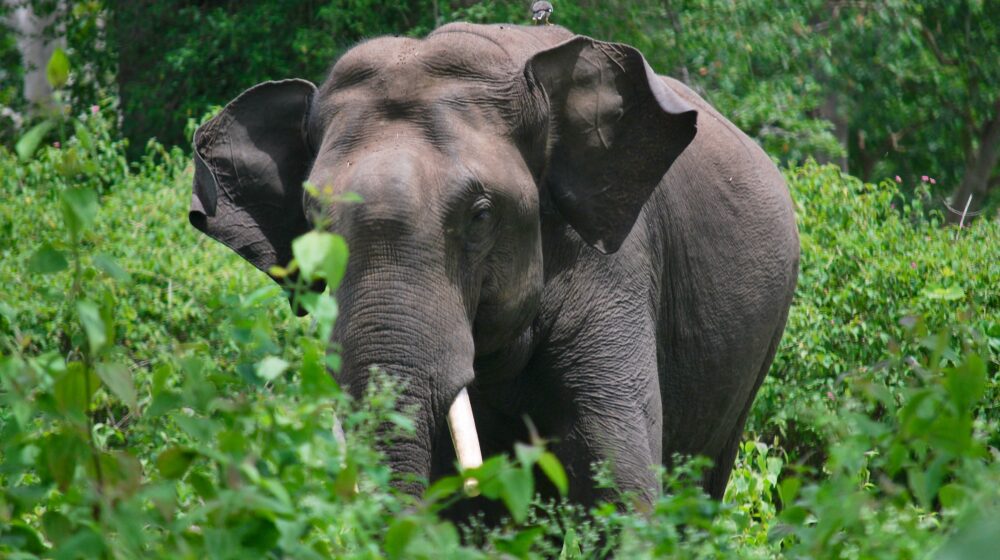
Animal psychology is often treated as a distinctly modern science, one we associate with twentieth-century Western behaviourists or today’s marine biologists and primatologists. But a new paper published in the Journal of Wildlife Science suggests ancient Indian scholars were mapping the emotional lives of elephants more than 2,000 years ago, long before the field existed in name.
The study draws on texts such as the Gajashastra and Hastyayurveda, which show that early Indian scholars studied elephants closely, paying attention to their temperaments, emotions and intelligence. This was not myth or folklore but a systematic form of observation that helped shape ancient veterinary medicine, treating elephants as sentient individuals capable of joy, sorrow and distress.
A central idea running through these ancient texts was that elephants had individual minds and personalities. Scholars classified elephants not just by physical attributes but by psychological and emotional characteristics, describing some as naturally gentle, intelligent and docile, and others as impetuous, anxious or stubborn.
Ancient handlers also monitored elephants for signs of mental distress, depression and grief, particularly when wild elephants were captured or separated from their family herds — noting behaviours such as refusing food, shedding tears or lethargy as signs of psychological trauma.



Leave a Reply